
Admin
Industries Insights About Book a demo
IoT & device integration

IoT solutions and device integration in Singapore

Sensors, gateways, telemetry and CAN bus data pulled into systems people actually use — with the alerting, dashboards and reporting that turn a data stream into a decision.

MQTTCAN busModbusLoRaWANBLEGPS & telematicsEdge gatewaysTime-series databasesDevice provisioningOTA updatesAWS IoTAzure IoT
0Devices per tenant
0Update interval
0Protocols supported
0Own platform
The problem

Collecting telemetry is easy. Making it mean something is not

Most IoT projects stall at the same point: the data arrives, and then nothing happens with it.

Fitting sensors is the straightforward part. The difficulty starts afterwards. Devices go offline and nobody notices for a week. Timestamps drift. A firmware update changes a field name and the dashboard quietly shows stale numbers. The data lands in its own portal, disconnected from the maintenance system and the finance system, so it informs nothing.

An IoT project only pays back when a reading changes what someone does — a vehicle pulled in before it fails, a chiller investigated before stock spoils, a route changed before a delivery is late. We build backwards from that action: what decision, who makes it, what would have to arrive on their screen for them to act.

The health question: how do you know a device has stopped reporting? Silence looks identical to "nothing is wrong". Every deployment we build monitors the devices themselves, not just their readings.

What we do

What we handle

End to end, or the part you cannot cover — often the integration between device and business system.

Telematics & CAN bus

Vehicle position, engine data and fault codes from the vehicle bus, normalised across mixed fleets and different hardware vendors.

Sensors & gateways

Environmental, energy, occupancy and industrial sensing, with edge gateways that buffer through connectivity loss.

Device-to-cloud pipelines

MQTT and time-series ingestion built for volume, with the provisioning, authentication and over-the-air update path in place from the start.

Dashboards & alerting

Operational views for the people on shift, threshold and anomaly alerting, and escalation when nobody acknowledges.

Business system integration

Readings landing in maintenance, ERP and finance systems as records — not stranded in a vendor portal.

Device fleet management

Health monitoring, firmware versioning, certificate rotation and the reporting that tells you which units have gone quiet.

Deliverables

What you actually receive

Everything below is yours to keep, and to take elsewhere if you ever decide to.

A device and protocol inventory, tested against your actual hardware
Ingestion pipeline with buffering, retries and duplicate handling
Operational dashboard designed with the people who will watch it
Alerting with escalation, including device-offline detection
Integration into your maintenance or ERP system
Provisioning and firmware update procedure, documented
Proof, not promises

We built this for ourselves first

The fastest way to judge whether we can build your system is to look at one we already run in production.

ITMOS Fleet System

ITMOS is our own IoT platform in production: GPS and CAN bus telemetry from mixed fleets, normalised, monitored for device health, and pushed into maintenance and cost reporting. The IoT work we do for clients is built on the same foundations.
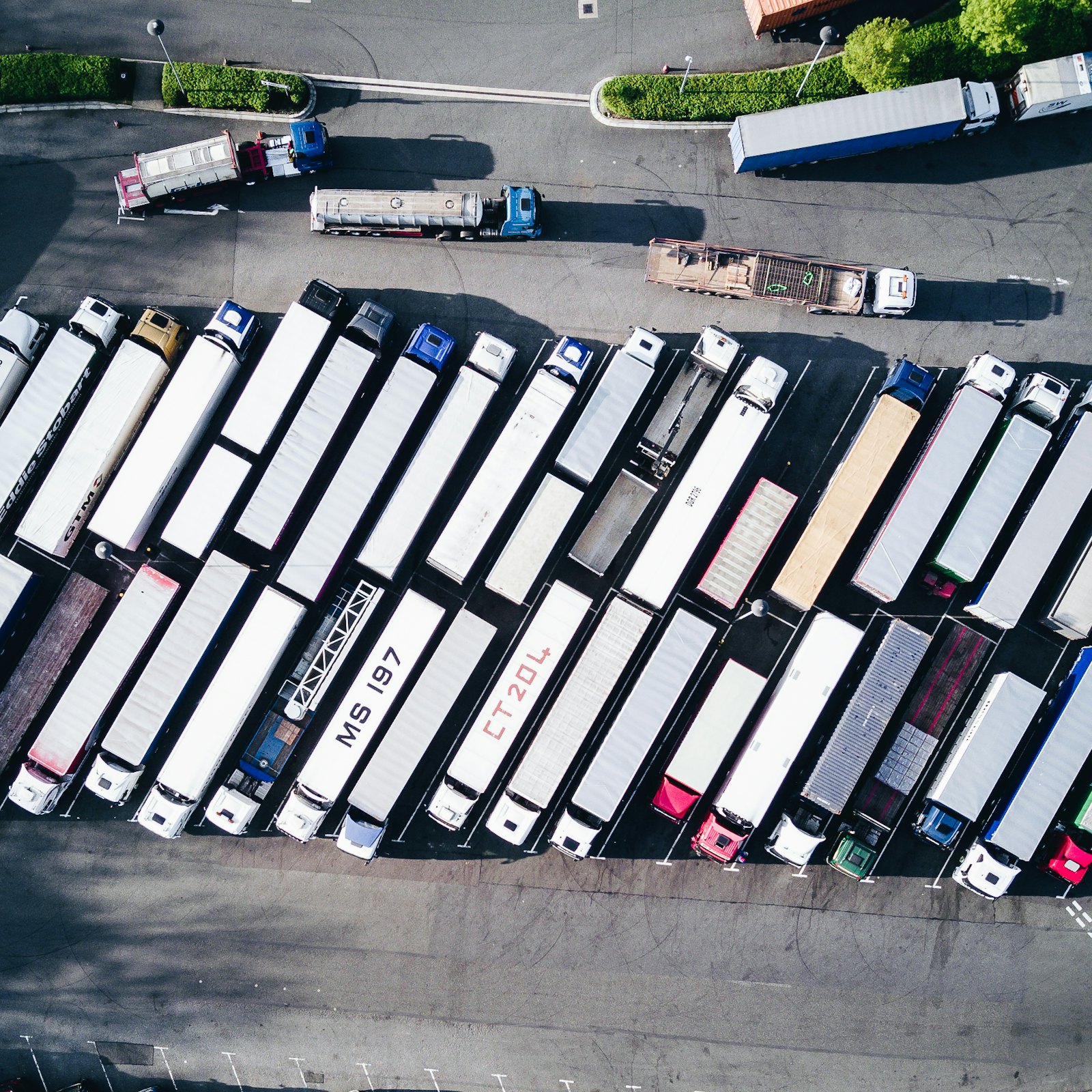
Aerial view of a vehicle yard
Signals

Where IoT pays back

Mobile assets

Vehicles and plant where location, utilisation and engine condition drive both cost and safety.

Energy and environment

Consumption, temperature and air quality monitoring that feeds both operations and emissions reporting.

Condition-based maintenance

Servicing on actual running hours and fault codes rather than a calendar, which is where the downtime savings live.

Common questions

What clients ask first

A gateway sits between your devices and the internet, collecting from local sensors and forwarding upstream. You need one when devices cannot reach the network directly, speak an industrial protocol like Modbus, or when you want data buffered locally through a connectivity outage.
Usually. We integrate with common telematics units, sensors and gateways rather than insisting on particular hardware. During scoping we test against your actual devices and say plainly if one cannot supply what a feature needs.
CAN bus is the internal network in a vehicle carrying engine, transmission and diagnostic data. Reading it gives far richer information than a GPS tracker alone — fuel consumption, engine hours, fault codes — which is what makes predictive maintenance possible.
You should be told, automatically. Every deployment we build monitors device health as well as readings, because silence and normality look identical otherwise. It is the single most common gap we find in existing installations.
Singapore by default, with on-premise options where a site or contract requires it.
Yes, and it is one of the better reasons to collect it. Fuel and energy telemetry becomes Scope 1 and 2 activity data without anyone re-keying it — we do exactly this between our own two platforms.
Related

Often needed alongside

ITMOS Fleet System

Our own IoT platform, in production.

See ITMOS

System integration

Getting device data into the systems that act on it.

See integration

Karbon0 ESG

Turning energy and fuel telemetry into emissions reporting.

See Karbon0
Next step

Bring us the messy problem. We like those.

A 30-minute call, no deck, no obligation. Tell us what is breaking and we'll say honestly whether we're the right team to fix it.